Why Modern Owners Prioritize Crew Experience
May 26th, 2026

May 26th, 2026
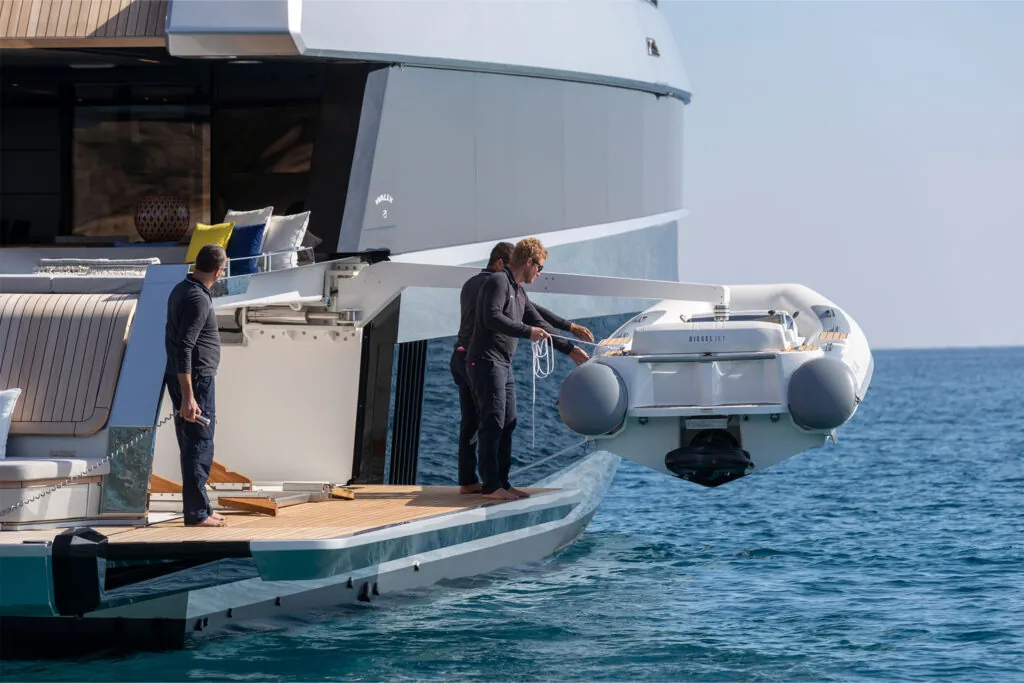
Today’s owners look beyond hardware and horsepower. They recognize that the right crew transforms a capable yacht into an exceptional program. The reason modern owners focus on crew experience is evident in daily performance and long-term asset health. Crew experience is not just a people initiative; it is a performance strategy that strengthens safety, enhances charter appeal, protects asset value, and stabilizes operating costs. Vessels that consistently lead their class are often those where yacht staff feel respected, supported, and equipped to succeed, a pattern that stands out on larger programs where scale amplifies outcomes.
A strong crew experience directly shapes daily operations. Teams that are well-rested and well-trained communicate clearly, execute routines precisely, and manage unexpected events with confidence. The result is fewer incidents, faster turnarounds in port, and a calmer, more polished guest experience. In high-pressure moments such as tight docking, tender transfers, or heavy weather, a supported crew makes better decisions and reduces risk. For owners evaluating crew positions on a yacht, the calibre of each role, from captain to junior deckhand, matters because one weak link can ripple through the entire operation.
Wellbeing connects to retention. Predictable schedules, fair compensation, and credible development paths lower turnover. Reduced churn cuts recruiting and onboarding costs, while continuity preserves knowledge of systems, owner preferences, and maintenance history. That familiarity increases reliability and minimizes errors that can occur with inexperienced hands. This is why modern owners prioritize crew experience, particularly when building out larger crew rosters where continuity across multiple departments safeguards standards.
Reputation and revenue are also influenced by crew stability and caliber. Charter guests remember the people who anticipate needs, keep the vessel immaculate, and deliver memorable service. Positive reviews drive repeat bookings and support higher weekly rates. Over time, yachts known for stable, high-performing yacht staff command a premium in the market, as buyers and brokers recognize the operational discipline that preserves long-term value. Selecting the right crew positions on a yacht, and retaining them, becomes a decisive advantage.
Work-life balance starts with humane rotations and clear time-off policies. Whether the program is 3:1, 2:2, or seasonal, predictability reduces fatigue and supports consistent performance. Compensation should be competitive and transparent, with clear overtime policies, fair tips distribution guidelines, and benefits such as medical coverage and travel allowances. These fundamentals drive engagement and accountability across yacht staff and are foundational for larger crews where shifts are complex.
Training and career development keep teams future-ready. Structured pathways, including STCW refreshers, advanced engineering and navigation endorsements, interior service certifications, tender driving, and AV/IT courses, build capability. Cross-skilling adds resilience: deckhands with basic engineering skills, stewards with concierge-level service expertise, or chefs versed in provisioning logistics. This flexibility elevates service and reduces single points of failure, particularly in critical crew positions on a yacht that support mission continuity.
Living and working conditions affect performance every day. Comfortable cabins, good noise control, reliable climate systems, and ergonomic galley and laundry spaces limit fatigue. Onboard amenities, such as high-speed internet, fitness equipment, and privacy-friendly crew lounges, make off-duty time restorative. Effective shore support, including streamlined payroll, visa and travel assistance, mental health resources, and access to confidential counseling, helps crews manage life beyond the yacht.

Start with contracts and schedules designed for retention. Define rotations and leave in writing, ensure rest-hour compliance, and set clear promotion criteria. Align performance bonuses with safety, maintenance milestones, and charter feedback. When crew see a credible path forward, they invest in the vessel’s success, an approach that resonates across all crew positions on a yacht, from bridge to engine room to interior.
Commit to structured training. Allocate a yearly budget per role, maintain a training matrix that tracks certifications and expiry dates, and schedule courses during yard periods. Pair new hires with mentors and run quarterly drills that integrate deck, interior, and engineering teams. Include mental health support through resilience workshops, access to telehealth, and a culture that normalizes seeking help after high-intensity periods. This is particularly impactful for larger crews where coordinated response and shared standards underpin safety and service.
Upgrade the environment where work happens. Quieter, energy-efficient HVAC, improved lighting in technical spaces, and modernized AV/IT enable focus and reliability. Watermakers and laundry systems sized for guest loads reduce late-night overtime. Streamlined storage and provisioning workflows cut back-and-forth trips. Small enhancements such as soundproofing crew cabins, adding USB-C charging, and higher-quality mattresses translate into better rest and morale, reinforcing why modern owners prioritize crew experience as a strategic investment in yacht staff performance.
| Focus Area | Actions | Operational Impact |
|---|---|---|
| Contracts & Scheduling | Document rotations, leave, and promotion criteria; enforce rest hours | Lower turnover, improved predictability, fewer compliance risks |
| Training & Drills | Role-based budgets, training matrix, integrated emergency drills | Higher competence, faster response, stronger safety culture |
| Wellbeing Support | Telehealth, resilience workshops, debriefs after intense periods | Reduced burnout, better decision-making under pressure |
| Onboard Systems | Efficient HVAC, AV/IT upgrades, right-sized water and laundry | Fewer breakdowns, less overtime, smoother guest service |
| Habitability | Noise control, lighting, mattress and cabin enhancements | Improved rest, higher engagement, stronger retention |
Track the metrics that matter and review them regularly. Useful indicators include turnover by role, average tenure, rest-hour compliance, training completion rates, incident and near-miss reports, guest satisfaction scores, and charter rebooking percentages. Short, quarterly engagement surveys can surface issues with workload, communication, and wellbeing; discuss findings during safety and operations meetings to refine how yacht staff are supported.
Build feedback loops into routine management. Conduct structured performance reviews with two-way feedback, run post-charter debriefs that capture lessons learned, and invite anonymous suggestions to encourage candid input. Periodic third-party audits, including ISM/ISPS where applicable, safety culture assessments, and guest-service audits, add objectivity and benchmark progress against industry standards, particularly valuable for larger operations with complex compliance requirements.
Create a continuous improvement plan that links crew wellbeing to operational goals. Set annual targets, such as reducing turnover by a defined percentage, reaching 100% training compliance, or cutting near-misses through specific interventions. Assign accountability for each initiative, allocate budget, and review progress monthly. When owners lead by example and captains communicate openly, teams stay aligned, performance remains high, and the vessel’s value compounds season after season, underscoring why modern owners prioritize crew experience across all crew positions on a yacht.
Get exclusive access, unbeatable prices and manage your favorite yacht choices.
Enter your email and we'll send your username if you have a subscriber account.
Enter your email and we'll send a password reset link if you have a subscriber account.