What Modern Yacht Owners Value Most
May 11th, 2026

May 11th, 2026
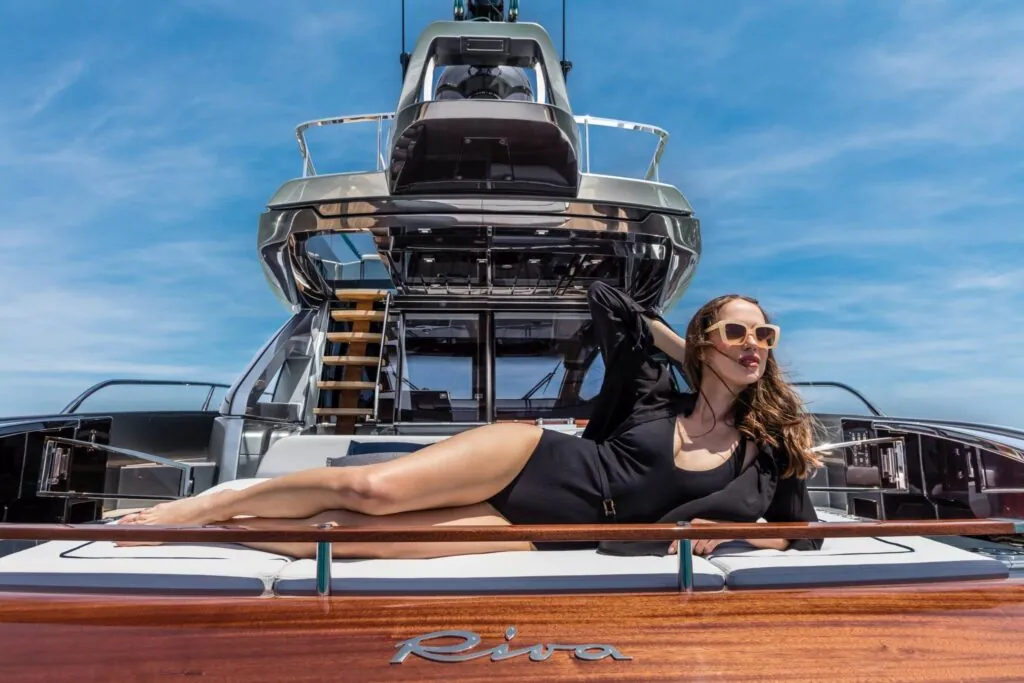
Today’s new yacht owners approach acquisition with a focus on onboard experience and thoughtful specification. They prioritize platforms that deliver serene spaces, quiet operation, and seamless daily living supported by clear operating costs and minimal downtime. Comfort is elevated through design choices that enhance reliability, safety, and privacy yacht practices, preserving time on the water and long-term value. Drawing on current new-build selections, refit patterns, and charter usage, here is what discerning owners actually use and why these features matter for uptime, discretion, and enduring appeal.
Owners typically balance family cruising, private entertaining, and selective charter to keep crews engaged and offset some running costs. Time efficiency and privacy are non-negotiable, supported by spa-grade HVAC, whisper-quiet hotel systems, generous beach clubs with sea-level access, and robust satellite connectivity for work aboard. They favor turnkey reliability, strong resale prospects, and upgrade-ready platforms that evolve through refits and software updates. Discreet operations extend to privacy yacht protocols, including thoughtful AIS management and the use of a yacht tracker for fleet oversight and security.
Operational plans often include dual-mode use: 6–10 weeks of personal cruising plus curated charter weeks to maintain utilization. Core crew structures include a captain, engineer, and chief stewardess, scaling up for charter. Typical ownership spans three to seven years with scheduled yard periods. Layouts emphasize adaptable living convertible wellness suites and office spaces, guest cabins that transition for charter, and technical redundancy for uninterrupted service. Builders with global service networks and standardized systems are preferred, reducing training complexity and parts variability across multiple vessels. Onboard hospitality upgrades from commercial-grade galleys to flexible pantry storage support faster service, dietary versatility, and consistent guest experiences across private trips and charter.
Comfort-forward propulsion and hotel systems are selected for quiet operation and ease of use. On planing and semi-displacement yachts, owners appreciate refined drivetrains with low vibration and noise-damped engine rooms that keep guest spaces tranquil. For extended cruising, hybrid-ready or diesel-electric arrangements enable silent running at anchor and smart power management for calm nights and efficient hotel loads. Stabilization is considered essential: zero-speed fins sized for gentle motions underway and at anchor, sometimes complemented by gyros on smaller platforms for superior comfort in coves and marinas. These are the features that high-performing new yacht owners actually use to create a calm, restorative onboard environment.
Range-extending refinements include hull forms that ride smoothly and efficiently, automatic trim systems for balanced running attitudes, and appendages tuned to reduce drag. On the bridge, integrated suites simplify operation with intuitive displays and logical workflows, while redundant charts and ECDIS-level capability add resilience. Solid-state radar aids target clarity and situational awareness. Predictive diagnostics and condition-based monitoring sensors on shafts, generators, and HVAC surface maintenance needs early to protect guest comfort. Communications packages commonly blend VSAT or GEO/LEO satcom with 5G failover and enterprise-grade onboard Wi Fi, segmented into owner, guest, and crew VLANs. Privacy yacht measures are reinforced by network segmentation and standards-based cybersecurity. A yacht tracker adds secure location insight and helps coordinate tenders and support craft without intruding on guest experience.
Exterior specifications focus on durability and easy care. High-solids paint with ceramic or nano-clear topcoats preserves gloss and reduces polishing cycles. Stainless selections favor 316L or duplex grades, with well-bedded aluminum interfaces to prevent galvanic issues. Sacrificial anodes are matched to cruising grounds, and many owners opt for impressed current cathodic protection for consistent coverage. Propulsion protection shaft earthing, rope cutters, and foul-release prop coatings maintains efficiency and reduces diver time. In high-traffic zones, engineered decking alternatives cut sanding and refinish intervals without compromising appearance. Guest zones beach clubs, foredeck lounges, and shaded terraces use non-slip finishes and concealed service chases for rapid access when repairs are needed.
Serviceability shapes interior engineering. HVAC systems incorporate modular air handlers, quick-change filters, UV-C or bipolar ionization for air quality, and accessible condensate lines to prevent leaks. Watermakers with duplex membranes and automated flush routines extend membrane life and simplify operation. Generator spaces feature oversized ventilation, sound attenuation, and parallel redundancy to handle hotel loads during charter. Electrical systems use labeled, hinged panels and digital switching for rapid diagnostics and straightforward component swaps. Plumbing branches include isolation valves at each fixture bank, and equipment selections favor globally available pump and filter brands to avoid parts delays. Galley upgrades induction suites, vented hoods, blast chillers, vacuum sealing, and smart refrigeration support high-touch service with lower energy draw and faster turnaround. These choices reduce downtime, enhance daily living, and strengthen resale narratives through documented, service-friendly design.
Predictable support frameworks underpin enjoyable ownership. Owners align with shipyards offering multi-year warranties, clear response SLAs, and authorized global service centers. Preventive maintenance plans pair OEM schedules with condition-based monitoring to extend intervals where appropriate. Many engage dedicated service managers to coordinate yard bookings, parts logistics, and compliance documentation, maintaining class and flag requirements. A robust planned maintenance system integrates with the bridge suite to centralize task calendars, spares inventories, and digital logbooks streamlining audits and ensuring charter readiness. A yacht tracker that interfaces with maintenance platforms can synchronize usage hours with service schedules and highlight anomalies that require attention.
Flagging, registration, insurance, and crew management influence technical specifications. Established registries with clear charter pathways and strong compliance frameworks are favored. Insurers recognize vessels with certified crew, redundant critical systems, and documented maintenance, encouraging features such as dual navigation sensors, enhanced fire suppression, and cybersecurity controls for networked systems. Crew programs standardize training on selected equipment brands, improving uptime and safety across the board. Clear bridge procedures emphasize risk thresholds and privacy yacht protocols when entering sensitive cruising grounds. The result is straightforward: more days at sea, fewer surprises, and a vessel that maintains value when it is time to upgrade.
Each feature quiet hotel loads, integrated bridge suites, serviceable engineering, durable finishes, and structured support compounds into tangible outcomes: smoother operations, higher guest satisfaction, steady charter demand, and clean resale stories. Thoughtful deck planning expansive beach clubs, sun-protected lounges, water-level terraces, and flexible dining elevates daily use without adding maintenance burden. Galley and pantry upgrades keep service seamless on busy itineraries. Owners gain a yacht that feels effortless to live with, adaptable to changing plans, and easy to hand over to crews and charter managers. The right specification, backed by global service reach and disciplined maintenance, protects time and asset value across the full ownership lifecycle, reflecting what high-performing new yacht owners actually use to stay ahead.
Get exclusive access, unbeatable prices and manage your favorite yacht choices.
Enter your email and we'll send your username if you have a subscriber account.
Enter your email and we'll send a password reset link if you have a subscriber account.