The New Geography of Yachting: How Owners are Redefining Where, and How, they Cruise
April 10th, 2026

April 10th, 2026
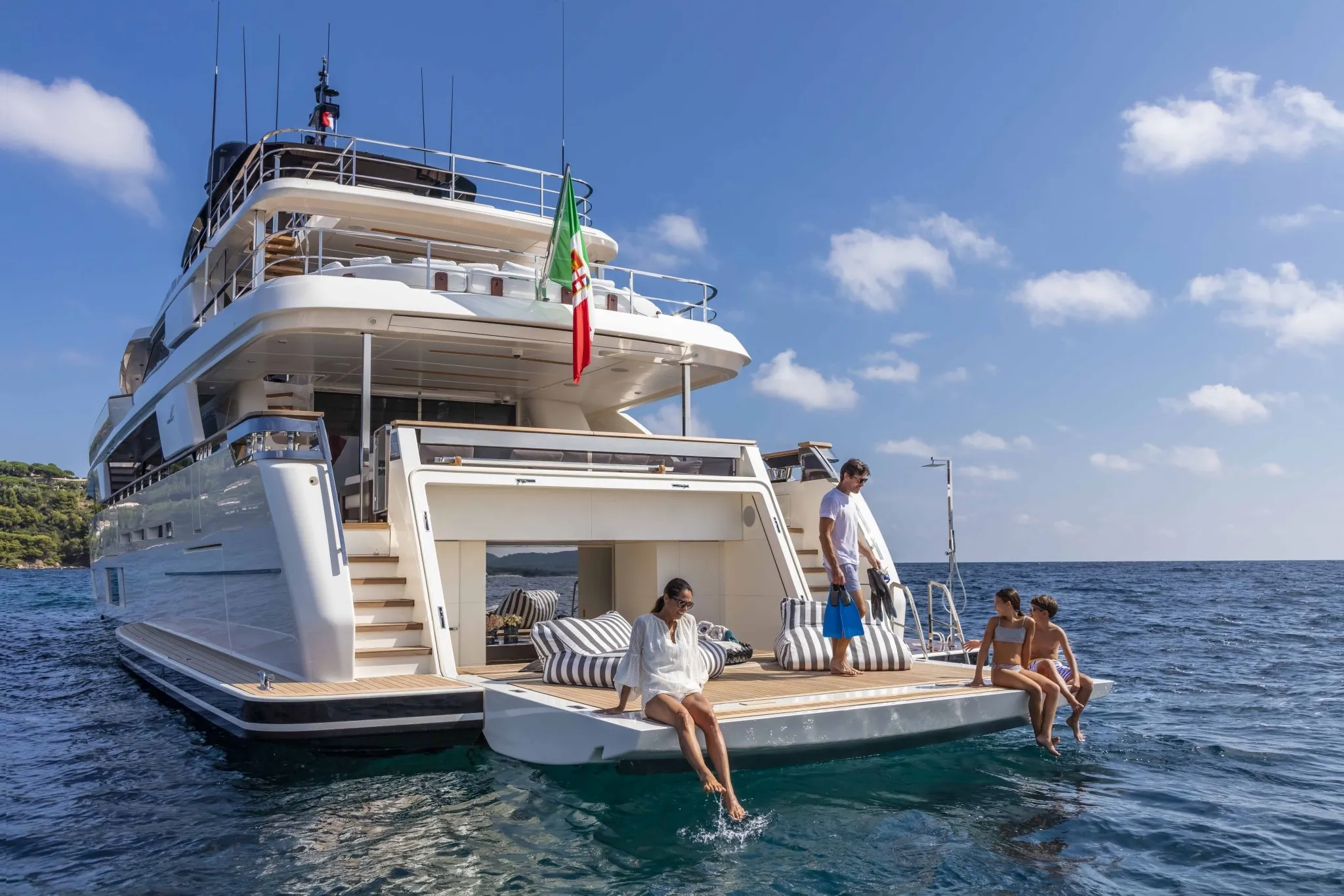
Yachting is entering a new era: One shaped by broader horizons, environmental stewardship, and travel with a purpose.
Owners and charterers are trading predictable destinations for personalized itineraries. Trips that blend remote anchorages with smart marinas, cultural depth and privacy, and advanced onboard systems with low-impact cruising. The result is the new geography of yachting, how owners are redefining where and how they cruise, a geography defined by experiences and values as much as by latitude and longitude. From the Sea of Cortez to the Inside Passage, from hybrid propulsion to always-on connectivity, today’s seafarers set a course that reflects a modern yacht lifestyle and thoughtful yacht ownership.
While the Mediterranean and Caribbean remain perennial favorites, fresh cruising grounds are gaining traction. The Sea of Cortez delivers intimate whale encounters and stark, dramatic coastlines. Norway’s fjords provide midnight sun, waterfalls, and cinematic backdrops. Across the South Pacific, lesser-known island chains offer vibrant reefs and village hospitality away from crowds.
Closer to home, remote corners of the Bahamas and quiet stretches of the Florida Keys reward those who value clear water, marine life, and hidden moorings. In the Pacific Northwest, the Inside Passage blends wilderness with well-run harbors, for surprising provisioning ease and off-the-grid solitude.
Infrastructure is keeping pace with such ambition. New marina developments and upgraded facilities extend safe harborage and services into what were once considered fringe areas. Smart harbors include reliable shore power, dredged channels, and environmental certifications. Longer routes are now more practical, support efficient refueling, and reduce generator hours. These hubs also boost local economies through shore excursions, regional provisioning, and responsible tourism that respects community rhythms. This evolution suits discerning yacht ownership, where reliability and environmental performance are integral to the yacht lifestyle.
Cultural depth is influencing port choices. Smaller towns offer festivals, artisanal markets, and cuisine rooted in tradition. A stop in a fishing village can lead to a dockside seafood feast from the morning’s catch, while a guided walk through an historic port brings maritime heritage to life. Local agents and yacht concierges help curate these moments, aligning access and etiquette with guest expectations and the priorities that accompany modern luxury yacht ownership.
Environmental technology is moving from novelty to standard equipment. Hybrid diesel-electric propulsion reduces fuel burn, battery banks enable silent nights at anchor, and solar arrays supplement hotel loads. Advanced hull forms, lighter composite structures, and optimized propellers increase efficiency. Shore power compatibility and smart energy management systems further cut generator hours. Modern watermakers and purification systems reduce single-use plastics. And onboard waste-treatment solutions help protect sensitive ecosystems and meet tightening regulations.
Cruising styles are evolving in parallel. Owners and captains are planning slow-cruising legs that conserve fuel and limit wake, selecting marinas with proven environmental credentials, and timing visits to avoid heavy-traffic windows. Charterers specify reef-safe sunscreens, local provisioning, and low-impact activities such as guided snorkeling, paddle expeditions, and beach cleanups. New itineraries incorporate citizen science to create a meaningful adventure through water-quality logging, wildlife sightings, and species identification. These practices are becoming part of the yacht lifestyle and a hallmark of responsible yacht ownership.
Climate shifts are reshaping seasons and routes. Warmer waters affect coral health and fish populations; altered storm patterns influence passage timing and insurance considerations. Heat waves and algae blooms can reduce visibility in certain regions. As a result, interest in shoulder seasons is rising, spreading demand and easing pressure on peak months. Flexible planning, real-time weather tools, and openness to less-crowded regions help maintain safety and enjoyment while adapting to changing conditions. For many pursuing luxury yacht ownership, this flexibility underscores a long-term approach to operations and itinerary design.
Newer owners bring a multi-dimensional view of time on the water. They value access, flexibility, and itineraries that combine adventure, wellness, and seamless connectivity. Typical weeks now blend morning watersports with afternoon remote work and evenings focused on local food and culture. Research and booking are driven by digital communities, transparent reviews, and shared route ideas.
Ownership models reflect this shift. Shared and fractional programs reduce entry barriers and spread operating costs, offering professional management and predictable availability. Co-ownership agreements and curated membership fleets provide access to different vessel types and regions without the full commitment of a single-asset strategy. For many, this is a step toward a future private yacht purchase or a long-term alternative that fits with diversified travel plans. These models broaden the path into luxury yacht ownership and support a yacht lifestyle that prioritizes time on the water over time in port.
Social media influences discovery and expectations. Owners and guests often identify new destinations through video-rich storytelling and real-time updates, prioritizing photogenic anchorages and immersive experiences. At the same time, responsible posting practices that highlight marinas or general areas rather than fragile reefs help protect sensitive locations while still sharing the journey.
Reliable connectivity has unlocked true flexibility afloat. Next-generation satellite internet, 5G nearshore, and integrated antennas deliver stable bandwidth for video conferencing, cloud collaboration, and streaming. Onboard network management systems prioritize business-critical traffic and balance the load across multiple connections to minimize downtime.
Yacht design has responded with quiet, functional spaces. Today’s yacht offers convertible salons with acoustic treatments, sound-dampened cabins, and shaded deck offices for productive workdays. This capability stretches cruising calendars, enables longer trips, and reduces congestion around short holiday windows. The result is a practical expression of the new geography of yachting: how owners are redefining where and how they cruise, integrating work, family, and exploration.
Community is part of the appeal. Flotillas and rendezvous events gather owners and crews for communications workshops, safety training, wellness programs, and offshore skills development. Online groups share anchorage reviews, connectivity setups, and hands-on maintenance tips tailored to working and living afloat. These networks promote safer cruising and extend camaraderie across oceans.
Voyages are increasingly curated for authentic engagement. Shore days can include guided visits to family-run farms, hands-on craft workshops, and community-led conservation work. Fishing towns may offer early-morning outings with local crews followed by a dockside cookout showcasing regional flavors. Culturally appropriate dress, adoption of a few basic phrases, and observation of local customs can deepen connections and ensure a warm visit.
Themed itineraries provide a cohesive narrative. Culinary routes pair market tours with onboard cooking classes or guest-chef collaborations. Wine-focused cruises align with harvest seasons and private cellar tastings. History-focused voyages trace maritime trade routes, explore forts and lighthouses, and arrange after-hours access to museums. Curated experiences link each port to a larger story, elevating a trip from a series of stops to a coherent journey.
Local partnerships are the common thread. Regional guides, small producers, and marina tourism offices unlock insider access and smooth logistics. For charter programs, brokers and captains with well-established contacts can secure limited-capacity experiences and maintain cultural sensitivity for mutual benefit. These approaches mirror the ethos of the new geography of yacht ownership and a respectful yacht lifestyle.
Design and technology are converging toward efficiency, comfort, and autonomy. Expect wider adoption of hybrid and all-electric solutions on select vessels, hydrogeneration on performance sailing yachts, and emerging hydrogen-ready platforms. Energy storage will improve with safer, higher-capacity batteries and integrated heat-recovery systems. On the bridge, AI-assisted route optimization, predictive maintenance, and advanced stabilization support smoother passages and reduce operating costs.
External forces will continue to shape plans. Geopolitical shifts and regulatory updates can influence preferred routes, crew visas, and customs procedures. Health considerations and risk management will sustain interest in controlled, private travel environments. Weather resilience in the form of reinforced anchoring systems, refined storm monitoring, and modular itineraries remains essential.
Access models and services are diversifying. Expect subscription-style programs across multiple regions, charters that quantify and mitigate carbon impact, and packaged experiences that integrate guides, wellness practitioners, and local experts. Shipyards and brokerages are expanding lifecycle support with refit pathways that extend a yacht’s useful life and verified recycling channels for components at the end of service. These developments create more pathways to personalize operations while preserving asset value.
The geography of yachting is expanding through technology that extends range and efficiency, marinas that open new corridors, and a mindset prioritizing meaningful experiences. Owners blend remote work with time on the water, pair cultural immersion with environmental responsibility, and seek flexible itineraries as conditions change. With thoughtful planning and the right partners, these evolving preferences translate into confident exploration, deeper connections ashore, and more rewarding time at sea. For those navigating yacht ownership today and those pursuing luxury yacht ownership tomorrow, the trajectory is clear: the new geography of yachting highlights owners who redefine where and how they cruise as a practical framework for a refined yacht lifestyle.
Get exclusive access, unbeatable prices and manage your favorite yacht choices.
Enter your email and we'll send your username if you have a subscriber account.
Enter your email and we'll send a password reset link if you have a subscriber account.