Beyond the Bahamas: The New Destinations Expanding Caribbean Yacht Cruising
May 19th, 2026

May 19th, 2026
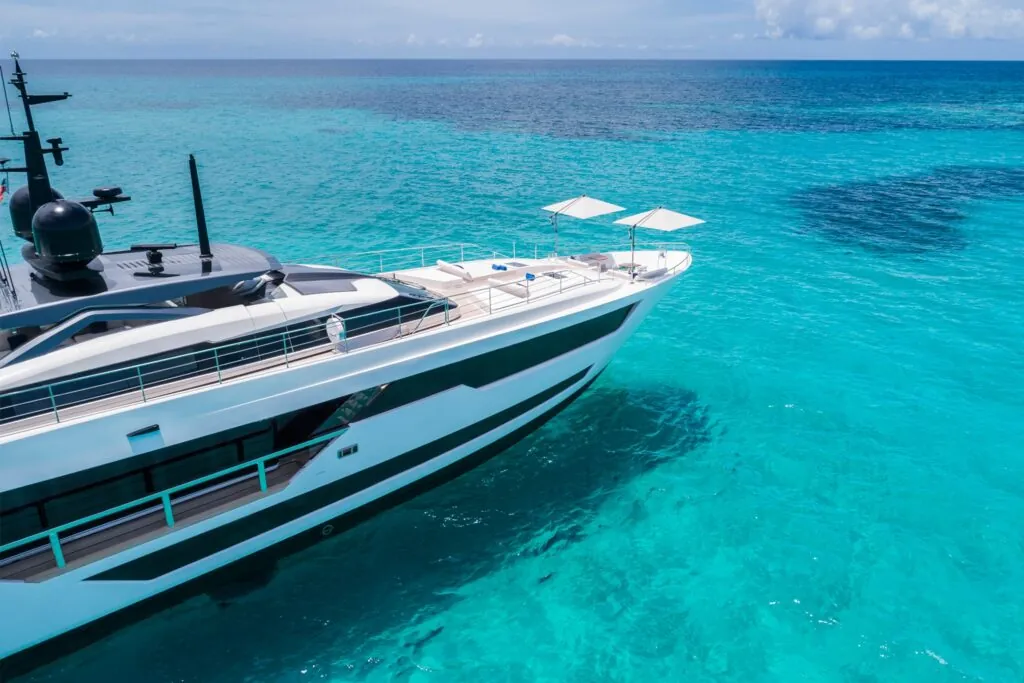
Yachting routes are expanding beyond the familiar Bahamas circuit as upgraded marinas, better access, and distinctive onshore experiences open new options across the Southeast U.S., select Caribbean islands, and the Western Atlantic. Owners, captains, and guests are charting fresh itineraries that balance efficient passages with memorable time ashore. This guide outlines why routes are shifting, how to plan passages with confidence, and what to expect at these emerging ports of call, framed within the context of environmental issues in the Bahamas and the operational realities of power Bahamas infrastructure discussions that often reference the Bahamas Grid Company and long-term resilience.
Several regions are drawing increased interest: Florida’s East Coast and the Keys beyond the standard stops; Turks and Caicos and the northern approaches beyond the Abacos; the Dominican Republic’s north coast; Puerto Rico’s offshore islands of Culebra and Vieques; the Spanish Virgin Islands; and Bermuda for bluewater-capable yachts. Their appeal is powered by modern marina infrastructure, improved airlift for guests and crew, and streamlined entry procedures that simplify arrivals and provisioning. For many, the new power destinations replacing the traditional Bahamas circuit complement, not replace, cruising the Bahamas, especially when environmental issues in the Bahamas or service constraints create seasonal pressures.


Guest preferences are also evolving. Many seek quieter anchorages, nature reserves, authentic dining, and activity-rich days, including kiteboarding, reef and wall diving, surfing, and cultural touring. With stronger facilities and services, these destinations support longer layovers and shoulder-season cruising, offering more depth than quick out-and-back runs. In parallel, conversations around power Bahamas supply resilience and the Bahamas Grid Company underscore why some itineraries diversify, while still valuing cruising the Bahamas during prime windows.
Operational resilience matters. Reliable fuel with high-speed pumps, predictable customs, and robust provisioning networks give captains flexibility. Access to technical support, haul-out capacity, and spare parts has improved in Fajardo (Puerto Rico), La Romana and Puerto Plata (Dominican Republic), and Providenciales (Turks and Caicos), enabling more adaptable route planning. This resilience is central to the new power destinations replacing the traditional Bahamas circuit, especially when infrastructure or weather challenges arise.
Balanced planning allows owners to enjoy cruising the Bahamas when conditions align, while leveraging alternatives if environmental issues in the Bahamas, storm activity, or power Bahamas infrastructure concerns, often cited alongside the Bahamas Grid Company, suggest a different course.
Ashore, expect a balance of refined hospitality and authentic character. Highlights include Turks and Caicos diving, Puerto Rico’s surf and cultural corridors along the north and west coasts, secluded beaches and bioluminescent bays in the Spanish Virgins, and culinary scenes blending island traditions with contemporary techniques. Historic districts, nature preserves, and artisan markets add depth beyond the dock.
Extended cruising is supported by strong service ecosystems: cold-chain provisioning from major hubs, specialty dietary imports, laundry and detailing crews, medical clinics with telemedicine links, and convenient air connections for guest rotations. Larger ports such as San Juan offer training centers, certification refreshers, and crew rotation support. These strengths make the new power destinations replacing the traditional Bahamas circuit a practical complement to established routes.
Environmental stewardship underpins responsible cruising. Use pump-out stations, reduce single-use plastics, avoid anchoring on coral, and select moorings when available. Manage generator hours thoughtfully and follow wildlife guidelines. Partnering with responsible operators and joining local cleanups helps protect the environments that make these destinations so compelling and supports ongoing efforts addressing environmental issues in the Bahamas as part of a broader regional ethic.
Get exclusive access, unbeatable prices and manage your favorite yacht choices.
Enter your email and we'll send your username if you have a subscriber account.
Enter your email and we'll send a password reset link if you have a subscriber account.